How to Choose the Perfect Lot in Panama for Your Dream Home
- Emilio López
- Mar 19
- 4 min read

Updated: Mar 21
Finding the right lot to build your dream home in Panama can feel overwhelming. The country offers diverse landscapes, from coastal areas to mountainous regions, each with unique opportunities and challenges. Choosing a lot involves more than just liking the view or the neighborhood. You need to consider several key factors that affect your future home's safety, comfort, and value.
This guide will walk you through the essential points to evaluate when selecting a lot in Panama. By understanding these factors, you can make a confident decision and avoid costly mistakes.
Location and Accessibility
Location is often the first thing buyers think about, but it goes beyond just the neighborhood or proximity to the beach. In Panama, accessibility plays a crucial role in daily life and property value.
Proximity to Amenities
Check how close the lot is to schools, hospitals, grocery stores, and other essential services. For example, lots near Panama City or David tend to have better access to urban conveniences.
Road Conditions
Some rural areas have unpaved or poorly maintained roads. Consider whether the lot is reachable year-round, especially during Panama’s rainy season when flooding or mudslides can block access.
Public Transportation
If you don’t plan to rely solely on a car, investigate the availability of public transport options nearby.
Future Development Plans
Research local government plans for infrastructure improvements. A lot near a planned highway or new commercial center might increase in value.
Zoning Regulations and Land Use
Understanding zoning laws is critical to ensure you can build the type of home you want.
Check Local Zoning Codes
Each municipality in Panama has zoning regulations that dictate land use, building height, setbacks, and density. For example, some zones may only allow residential buildings, while others permit mixed-use or commercial development.
Building Permits and Restrictions
Confirm what permits are required and if there are any restrictions on construction materials or architectural styles.
Protected Areas
Panama has protected environmental zones where construction is limited or prohibited. Make sure your lot is not in one of these areas.
Legal Status of the Lot
Verify the lot’s title and ownership to avoid disputes. Hiring a local lawyer to conduct a title search is highly recommended.
Soil Quality and Topography
The ground beneath your feet affects the stability and cost of building your home.
Soil Type
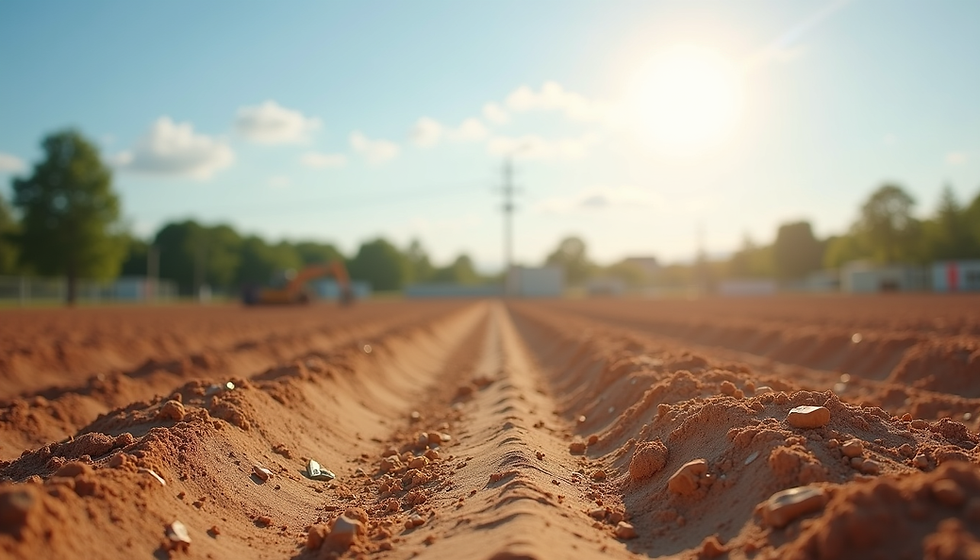
Panama’s soil varies widely. Some areas have rocky or clay-heavy soil, which may require special foundations. Others have sandy soil that drains well but may need reinforcement.
Topography
Flat lots are easier and cheaper to build on, but sloped lots can offer better views and natural drainage. However, steep slopes may require retaining walls and erosion control.
Flood Risk
Avoid lots in flood-prone areas, especially near rivers or low-lying coastal zones. Ask local authorities or neighbors about past flooding incidents.
Geotechnical Survey
Before buying, consider hiring a geotechnical engineer to test soil stability and recommend foundation types.

Availability of Utilities and Services
Building a home requires access to basic utilities. Lack of these can add significant costs and delays.
Water Supply
Check if the lot has access to municipal water or if you will need a well. Some rural areas rely on rainwater collection or water delivery.
Electricity
Confirm if the lot is connected to the national grid. If not, you may need to install solar panels or generators.
Sewage and Waste Disposal
Determine if there is a sewer system or if you will need a septic tank. Septic systems require space and proper soil conditions.
Internet and Phone Service
Reliable internet and phone connectivity are essential for most homeowners. Ask about the availability of providers in the area.
Garbage Collection
Some remote areas do not have regular garbage pickup, so plan for waste management.
Environmental Considerations and Climate
Panama’s tropical climate and rich biodiversity require careful planning to build a sustainable and comfortable home.
Climate Impact
The country has a wet season from May to November, with heavy rains and humidity. Choose a lot with good drainage and consider building designs that maximize ventilation and protect against moisture.
Natural Hazards
Panama is generally safe from earthquakes and hurricanes, but localized flooding and landslides can occur. Avoid lots near unstable slopes or flood plains.
Vegetation and Wildlife
Preserving native trees and plants can help with cooling and erosion control. Be aware of local wildlife that might affect your property.
Environmental Regulations
Some areas require environmental impact assessments before construction. Respecting these rules helps protect Panama’s natural beauty and ensures legal compliance.
Practical Tips for Potential Buyers
Visit Multiple Lots
Don’t settle for the first lot you see. Visit several to compare location, soil, and surroundings.
Talk to Neighbors
Locals can provide valuable insights about the area’s history, utilities, and any issues.
Hire Professionals
Engage a local real estate agent, lawyer, and engineer to guide you through the process.
Research Thoroughly
Use government websites, municipal offices, and online resources to verify zoning, permits, and infrastructure plans.
Plan for the Future
Think about your long-term needs, such as family growth, resale value, and potential neighborhood changes.


Comments